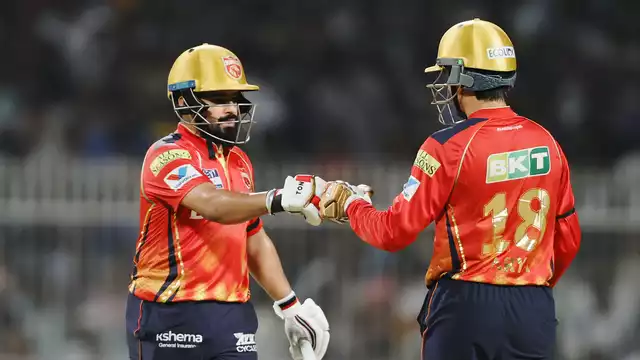
The balance of power in the IPL has always been shaped as much by perception as by performance. For years, few matchups reflected that reality more clearly than clashes between Chennai Super Kings and Punjab Kings. One side carried the aura of a dynasty; the other, the burden of unrealised potential. But as the 2026 season unfolds, that long-standing narrative has been turned on its head.
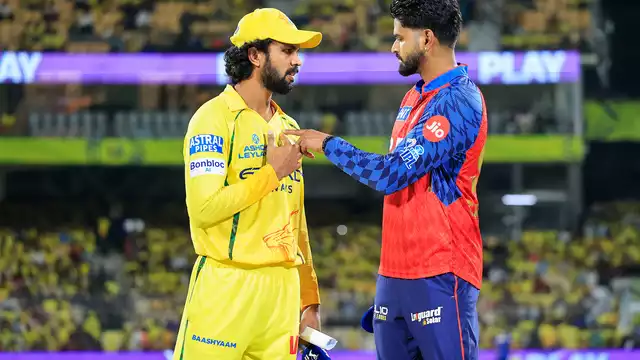
Punjab Kings are no longer the uncertain, constantly rebuilding outfit they once were. Chennai Super Kings, on the other hand, are confronting questions that once seemed unimaginable for a franchise so synonymous with stability. When the two sides met on April 3, the result did not shock those who have followed the transformation closely. If anything, it confirmed what has been building over the past two seasons: Punjab Kings now look like the more complete, confident unit.
This is a remarkable shift when viewed through the lens of history. Chennai Super Kings built their reputation on consistency, clarity, and a deeply embedded system that functioned regardless of personnel changes. Their success was not accidental; it was structural. Leadership, roles, and strategy were always aligned. Players walked into a clearly defined environment and knew exactly what was expected of them.
Punjab Kings lived a very different reality. Each mega auction brought renewed optimism, but the results rarely matched the promise. The franchise often assembled squads filled with talent but lacking cohesion. Roles overlapped, combinations changed frequently, and the absence of a long-term vision meant the team was perpetually in transition. Over time, inconsistency became part of their identity.
The turning point came at the 2025 mega auction. For once, Punjab Kings approached the table with clarity rather than confusion. Instead of chasing marquee names, they focused on building a balanced squad. Each acquisition addressed a specific need. The result was a team that finally looked aligned on paper—and, more importantly, began to function cohesively on the field.
That clarity has carried into the 2026 season. Punjab Kings now possess one of the most flexible squads in the league. Their batting lineup is settled, their bowling attack is adaptable, and their bench strength allows them to adjust combinations based on conditions without compromising balance. This is a team constructed for modern T20 cricket, where versatility is as valuable as individual brilliance.
The recent victory over Chennai Super Kings highlighted these strengths. Chasing a daunting total of over 200, Punjab Kings displayed composure throughout the innings. Even when wickets fell late, there was no sense of panic. The presence of experienced all-rounders in the middle order provided both stability and firepower. The chase was not just successful; it was controlled.
This ability to remain calm under pressure is often the hallmark of well-built teams. It reflects not just skill, but trust—trust in roles, in teammates, and in the overall system. Punjab Kings, for perhaps the first time in their history, appear to have all three.
Chennai Super Kings, meanwhile, are dealing with a different set of challenges. The gradual transition away from the era defined by their iconic leadership has left visible gaps. While the team still boasts quality players, the cohesion that once defined them has been harder to find.
One of the most noticeable issues has been the middle order. In previous years, Chennai relied on a combination of experience and finishing ability to close out games. That reliability is currently missing. The absence of key players in certain matches has further exposed the lack of depth in specific roles.
The team management has experimented with different combinations, but not all have worked as intended. Players have been asked to bat in positions that do not necessarily suit their strengths. While adaptability is important in T20 cricket, constant reshuffling can disrupt rhythm and confidence. The result has been a batting lineup that, while talented, does not always look settled.
The bowling unit has also faced setbacks. Injuries have forced adjustments, and the absence of key personnel has affected the team’s ability to control the latter stages of an innings. In a format where death bowling often determines outcomes, even small gaps can prove costly.
These issues can be traced back, in part, to the auction strategy. Chennai Super Kings have long been praised for their ability to identify and nurture talent. However, in the most recent cycle, some decisions have not delivered the expected returns. High-value signings are yet to justify their price tags, and certain gaps in the squad remain unaddressed.
Captain Ruturaj Gaikwad acknowledged as much in a candid assessment before the Punjab match. He pointed out that the previous auction cycle did not produce the ideal combination, and that the limited options available in subsequent auctions made it difficult to correct those mistakes. It was a rare admission from a franchise known for projecting confidence, but it also reflected the reality of the situation.
In contrast, Punjab Kings are benefiting from getting those crucial decisions right at the outset. Their squad construction allows them to absorb setbacks without losing balance. Injuries or form dips do not force drastic changes, because replacements are already aligned with the team’s structure.
Another key difference between the two teams lies in mindset. Punjab Kings now approach games with belief rather than hope. They no longer appear tentative in high-pressure situations. Instead, they play with the assurance of a team that trusts its preparation.
Chennai Super Kings, for perhaps the first time in years, are adjusting to a phase where they are not the dominant force. This transition is never easy, especially for a franchise that has set such high standards over a long period. The challenge now is to rebuild without losing the core principles that defined their success.
The broader significance of this shift extends beyond these two teams. It highlights how quickly dynamics can change in the IPL. Success is not permanent, and past achievements offer no guarantees. Each cycle presents new challenges, and teams must adapt continuously to remain competitive.
Punjab Kings have demonstrated the value of learning from past mistakes. Their transformation is not the result of a single decision, but a series of calculated choices that have collectively reshaped the franchise. They have moved from being reactive to proactive, from uncertain to assured.
Chennai Super Kings, on the other hand, are in a phase of recalibration. The path forward will require a combination of patience and strategic clarity. Identifying the right roles, backing players consistently, and addressing gaps in the squad will be essential steps in regaining their edge.
The upcoming fixtures will provide further insight into how both teams evolve. For Punjab Kings, the focus will be on maintaining momentum and consistency. Early success is encouraging, but sustaining it over a long tournament is the real test.
For Chennai Super Kings, the priority will be to stabilise their combinations and rebuild confidence. The return of key players could provide a boost, but structural issues will need to be addressed over time.
What is clear, however, is that the narrative has changed. Matches between these two sides are no longer defined by history alone. They are shaped by current form, strategy, and execution.
Punjab Kings have emerged as a team that others must now take seriously—not just as competitors, but as potential standard-bearers for how to build a modern T20 side. Chennai Super Kings remain a formidable franchise, but they are navigating a period of transition that will test their resilience and adaptability.
In the end, this shift serves as a reminder of what makes the IPL compelling. It is a league where reputations are constantly challenged, where new stories emerge, and where no team can afford to rely solely on its past.
The gap between Chennai Super Kings and Punjab Kings, once defined by history, is now defined by the present. And in the present moment, Punjab Kings hold the advantage—not just on the scoreboard, but in clarity, balance, and belief.
How long that advantage lasts will depend on what both teams do next.