The ongoing turmoil within the Bangladesh Cricket Board (BCB) has taken a dramatic turn, as a wave of resignations from key board directors has plunged the governing body into one of its most uncertain phases in recent history. At the center of the storm stands BCB president Aminul Islam Bulbul, who has publicly declared that he will be “the last person to leave the board room,” even as the structure around him appears to be rapidly collapsing.
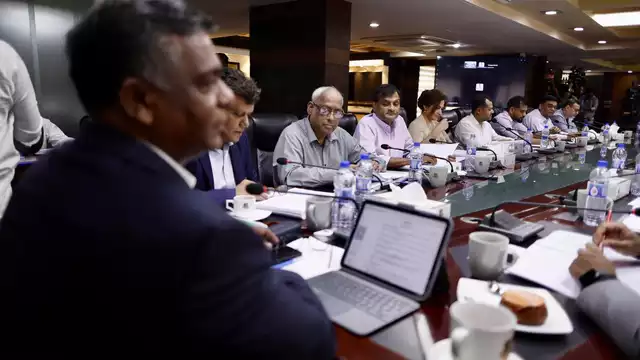
This latest crisis reflects not just administrative instability but also deeper systemic issues that have long plagued Bangladesh cricket. From allegations of external interference to internal disagreements and dissatisfaction among board members, the current developments suggest a governance breakdown that could have far-reaching consequences for the sport in the country.
A Board in Disarray
The immediate trigger for the current crisis was the resignation of four board directors—Saniyan Taneem, Mehrab Alam, Faiazur Rahman, and Manjurul Alam—following a board meeting on April 4. Their departure came on the heels of earlier resignations by Yasir Mohammed and Faysal Ashique, bringing the total number of resignations to six within a matter of days.
Such a mass exodus is rare in cricket administration and signals a deep-rooted lack of confidence in the current leadership. The resignations have not occurred in isolation but rather as part of a cascading effect, where one departure appears to have encouraged others to follow suit.
Adding to the list of those who have stepped down are Amzad Hussain and Ishtiaque Sadeeque. Hussain resigned after being removed as chairman of the Media Committee, citing personal reasons, while Sadeeque stepped down from his role as head of the Game Development Committee under similar circumstances. Though officially framed as personal decisions, the timing and pattern of these exits suggest otherwise.
Mounting Pressure and Looming Dissolution
According to reports, several other board directors are also contemplating resignation. If this trend continues, the BCB could face complete dissolution within days. Such a scenario would likely prompt intervention from the National Sports Council, which has already formed an investigation committee to examine the controversial board election that brought the current administration into power.
The prospect of dissolution raises critical questions about the future of Bangladesh cricket governance. A dissolved board would require either an interim committee or direct oversight from the NSC, both of which could disrupt ongoing cricket operations, including domestic competitions and international commitments.
For a cricketing nation that has made steady progress over the past two decades, such instability threatens to undo years of development. Administrative chaos often trickles down to the field, affecting player morale, team performance, and long-term planning.
Bulbul’s Defiant Stand
Amid the growing uncertainty, Aminul Islam Bulbul has adopted a defiant stance. Speaking to a private television channel, he emphasized his commitment to remain in his position until the very end.
“I will be there holding a chair as I will be the last person to go till the last day Inshallah,” Bulbul said during an interview aired on Jamuna TV.
Bulbul’s statement reflects both determination and isolation. While he has expressed confidence in the integrity and dedication of his team, the steady stream of resignations paints a different picture. His insistence on staying could be seen as an attempt to project stability, but it also raises questions about leadership accountability in times of crisis.
Interestingly, Bulbul chose not to attend the press conference following the board meeting, reportedly to avoid criticism from the media. This absence has further fueled speculation about his position and the level of support he currently enjoys within the board.
Allegations of External Interference
One of the most striking aspects of Bulbul’s comments is his repeated reference to “external forces” interfering in the functioning of the board. According to him, the administration has not been able to operate freely even for a single day.
“We could not work with freedom for one day as an external force was always disturbing us and still doing that,” he stated.
While Bulbul did not explicitly name the source of this interference, his remarks hint at possible involvement from political or institutional entities. In many cricketing nations, including Bangladesh, the line between sports administration and politics is often blurred. Government bodies like the National Sports Council wield significant influence, which can sometimes lead to conflicts with independently elected boards.
If Bulbul’s claims are accurate, they point to a deeper governance issue that goes beyond individual resignations. External interference can undermine decision-making processes, create factionalism, and erode trust among stakeholders.
The Controversial Election Under Scrutiny
The current crisis cannot be fully understood without examining the controversial board election that brought the present administration into power. The election is now under investigation by a committee formed by the National Sports Council, adding another layer of complexity to the situation.
Questions surrounding the legitimacy of the election have likely contributed to the instability within the board. Directors who initially supported the administration may now be distancing themselves as scrutiny intensifies. The fear of being associated with a potentially flawed process could be a driving factor behind the recent resignations.
Impact on Bangladesh Cricket
The implications of this administrative turmoil extend far beyond the boardroom. Bangladesh cricket, which has enjoyed periods of growth and success, now faces uncertainty at a critical juncture.
- Player Development: Programs aimed at nurturing young talent could be disrupted if the board is dissolved or restructured.
- Domestic Competitions: Tournaments such as the Bangladesh Premier League (BPL) and other domestic leagues may face organizational challenges.
- International Commitments: Coordination with the International Cricket Council could become complicated, especially if there is a leadership vacuum.
- Sponsorship and Financial Stability: Sponsors may hesitate to invest in a board that lacks stability, affecting the financial health of Bangladesh cricket.
A History of Administrative Challenges
While the current crisis is severe, it is not entirely unprecedented. The Bangladesh Cricket Board has faced administrative challenges in the past, including disputes over leadership, allegations of mismanagement, and conflicts with government bodies.
However, the scale and speed of the current resignations set this episode apart. The possibility of a complete board collapse within a week is an extreme scenario that underscores the urgency of the situation.
The Road Ahead
Resolving the crisis will require decisive action and a commitment to transparency. Several possible outcomes could unfold:
- Board Dissolution: If enough directors resign, the board may be dissolved, leading to the formation of an interim committee.
- Government Intervention: The National Sports Council could step in to stabilize the situation, though this may raise concerns about autonomy.
- Re-election: A fresh election could be held to restore legitimacy and rebuild trust among stakeholders.
- Internal Reconciliation: Remaining board members could attempt to address grievances and prevent further resignations.
Each of these options comes with its own set of challenges and implications.
Leadership Under the Spotlight
For Aminul Islam Bulbul, the coming days will be crucial. His leadership is under intense scrutiny, and his ability to navigate this crisis will define his tenure as BCB president.
Staying on as the “last man standing” may demonstrate resilience, but effective leadership also requires the ability to build consensus and maintain unity. If the board continues to fragment, his position could become increasingly untenable.
The Bangladesh Cricket Board is currently at a crossroads. What began as a series of individual resignations has evolved into a full-blown governance crisis that threatens the very structure of cricket administration in the country.
At the heart of the turmoil lies a complex interplay of internal disagreements, external pressures, and questions about legitimacy. While Aminul Islam Bulbul remains steadfast in his commitment to stay, the reality on the ground suggests that the situation is rapidly slipping out of control.
For Bangladesh cricket to move forward, stability and trust must be restored. Whether through structural reforms, leadership changes, or external intervention, the priority must be to safeguard the future of the sport.
As events continue to unfold, one thing is clear: the decisions made in the coming days will have a lasting impact on Bangladesh cricket for years to come.