
WORLD NEWS / The planet is expected to experience even more dangerous levels of warming over the next five years, according to alarming new projections released by the World Meteorological Organization and the United Kingdom’s Met Office. Scientists say Earth is now overwhelmingly likely to repeatedly cross the critical 1.5 degrees Celsius global warming threshold that world leaders once identified as the safest limit for avoiding the worst impacts of climate change.
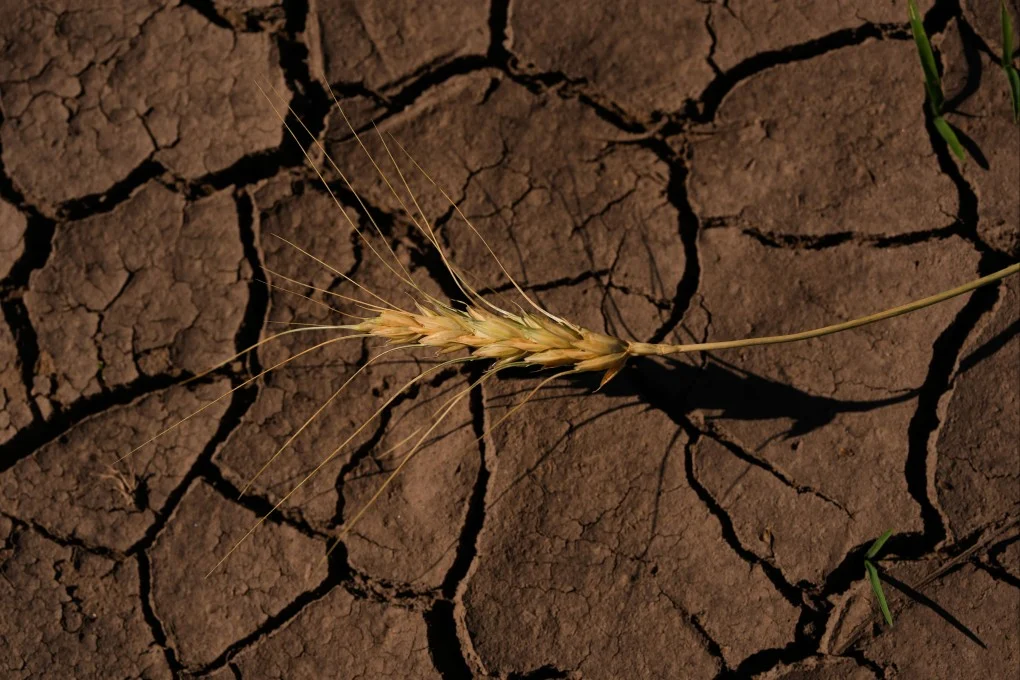
The new projections warn that the coming years could bring record-breaking heat, worsening droughts, stronger floods, intensifying wildfires and accelerating damage to ecosystems already under severe stress. According to the report, there is now a 75 percent chance that average global temperatures between 2026 and 2030 will exceed 1.5 degrees Celsius above pre-industrial levels.
There is also a staggering 91 percent chance that at least one of the next five years will temporarily pass the 1.5-degree threshold. In addition, scientists estimate an 86 percent probability that one of those years will become the hottest year ever recorded, surpassing the global heat record set in 2024. The findings represent another major warning sign for governments struggling to reduce greenhouse gas emissions despite years of international climate negotiations.
Why the 1.5-Degree Limit Matters
The 1.5-degree target became globally significant after the 2015 Paris Agreement, where countries agreed to try limiting long-term global warming to well below 2 degrees Celsius and ideally close to 1.5 degrees.
Scientists later explained that even small increases beyond 1.5 degrees could dramatically increase the risks of deadly heatwaves, crop failures, flooding, water shortages and ecosystem collapse. Although the Paris Agreement measures warming over long-term averages rather than single years, repeatedly crossing the threshold is viewed as a dangerous sign that the planet is moving closer to permanently exceeding the target.
Experts warn that many natural systems are already approaching critical tipping points. Coral reefs around the world have suffered repeated mass bleaching events because warmer oceans place extreme stress on marine ecosystems. Glaciers and polar ice sheets are melting at accelerating rates, contributing to rising sea levels that threaten coastal cities and island nations.
Arctic Heating Faster Than the Rest of the Planet
One of the most worrying findings in the report involves the Arctic region.
The UN projections suggest that Arctic temperatures could rise approximately 1.66 degrees Celsius above recent averages by 2030, warming far faster than most other parts of the world. Scientists have long warned that the Arctic acts as a critical climate regulator for the entire planet. As sea ice melts, less sunlight is reflected back into space, causing even more heat to be absorbed by Earth’s surface — a process known as the ice-albedo effect.
Rapid Arctic warming is also linked to changing weather patterns globally, potentially increasing the frequency of extreme heatwaves, storms and unusual seasonal disruptions.
Amazon Faces Drought and Wildfire Threats
The report also highlighted serious concerns for the Amazon rainforest, often described as one of Earth’s most important natural defences against climate change.
Scientists warned that the region faces growing risks of severe drought and potentially catastrophic wildfires over the coming years. The Amazon plays a vital role in absorbing carbon dioxide from the atmosphere. However, prolonged droughts and deforestation are weakening its ability to function as a major carbon sink.
Some researchers fear parts of the rainforest could eventually shift from absorbing carbon to releasing it, which would accelerate global warming even further.
Wildfires have already increased in several Amazon regions in recent years, destroying biodiversity and releasing enormous amounts of greenhouse gases into the atmosphere.
Fossil Fuels Remain the Main Driver
Climate scientists continue to emphasise that the primary cause of rising temperatures remains the burning of fossil fuels such as coal, oil and natural gas.
Human activities release massive amounts of carbon dioxide and other greenhouse gases that trap heat in Earth’s atmosphere.
Despite growing investment in renewable energy and international pledges to cut emissions, global fossil fuel use remains extremely high.
Scientists say every fraction of a degree matters because climate impacts become significantly more dangerous with additional warming.
Even small temperature increases can worsen heatwaves, intensify storms, disrupt agriculture and increase health risks for vulnerable populations.
More Extreme Weather Ahead
The projections suggest that extreme weather events are likely to become more frequent and more intense in many parts of the world. Heatwaves are expected to grow longer and deadlier, particularly in densely populated urban areas. Flooding risks may increase due to heavier rainfall events, while drought conditions could worsen in already water-stressed regions.
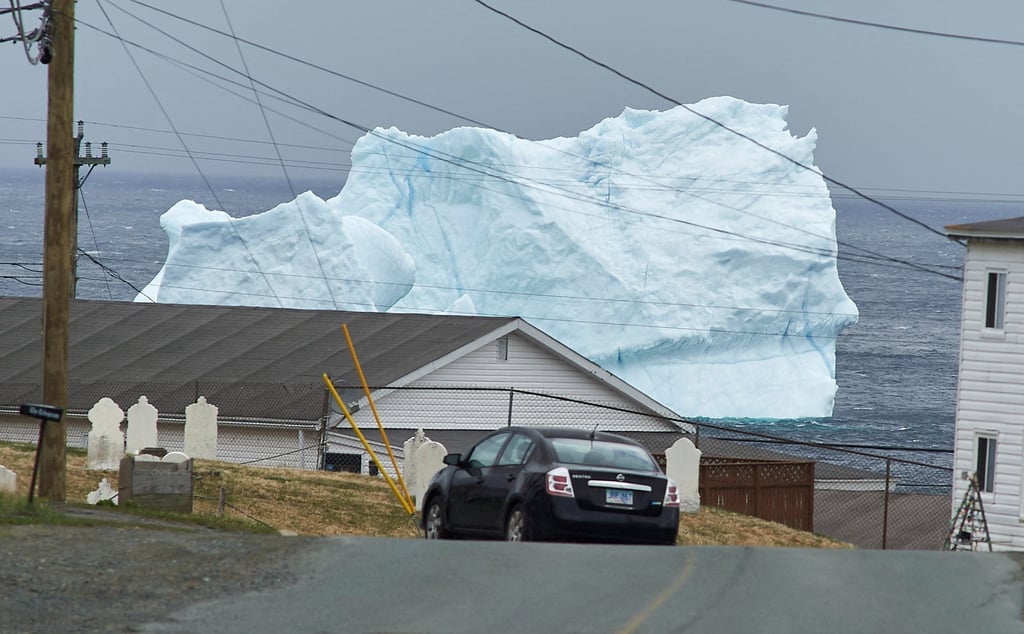
Climate experts also warn that rising temperatures increase the likelihood of simultaneous disasters, such as droughts combined with wildfires or storms combined with coastal flooding. These events can place enormous pressure on governments, economies and healthcare systems.
Scientists Warn Earth’s Warming May Be Accelerating Faster Than Expected
The world could be entering an even more dangerous phase of climate change, with new projections suggesting global warming may now be speeding up faster than scientists previously expected.
According to the latest report from the World Meteorological Organization and the UK Met Office, every year between now and 2030 is projected to be between 1.3 degrees Celsius and 1.9 degrees Celsius warmer than temperatures recorded in the late 1800s before large-scale industrialisation.
The projections have intensified concerns among climate scientists because they indicate the planet may be warming at an accelerating pace rather than at the slower trend previously observed over recent decades.
Melissa Seabrook, a climate scientist at the UK Meteorological Office and co-author of the report, warned that even seemingly small increases in global temperature can have severe consequences for ecosystems, weather systems and human societies.
“It’s important to note that 1.5 degrees is not a cliff edge that we suddenly fall off,” Seabrook explained. “Every additional 0.1 degree brings more serious impacts.”
Her comments highlight an important point often misunderstood in public climate discussions. The danger does not suddenly appear after crossing a single temperature line. Instead, risks gradually intensify with each additional increase in global temperatures.
Scientists say even fractions of a degree matter because they increase the frequency and intensity of extreme weather events including heatwaves, floods, droughts, wildfires and storms.
Europe’s Record Heat Raises Alarm
Seabrook pointed to the unusually intense heat experienced across parts of Europe in May as an example of how climate extremes are becoming more severe.
Several European countries have recently experienced temperatures far above seasonal averages, raising concerns about public health, agriculture and wildfire risks months before the peak summer season has even arrived.
Scientists say these events are consistent with long-term climate trends driven primarily by greenhouse gas emissions from burning fossil fuels such as coal, oil and natural gas.
As global temperatures rise, heatwaves become more likely, more frequent and more dangerous. Urban areas are particularly vulnerable because buildings and roads trap heat, creating what experts call “urban heat island” effects.
El Niño Expected to Push Temperatures Even Higher
Another major concern involves the likely return of a strong El Niño event.
El Niño is a natural climate pattern caused by the warming of parts of the central and eastern Pacific Ocean. It affects global weather systems and often leads to hotter worldwide temperatures.
According to the WMO projections, a powerful El Niño could develop soon and potentially continue influencing global climate conditions through 2028. Scientists warn that the combination of long-term human-caused climate change and a strong El Niño could push global temperatures to unprecedented levels.
Seabrook suggested that because of these conditions, 2027 could potentially become the hottest year ever recorded, surpassing the current record set in 2024. El Niño events historically contribute to major climate disruptions around the world, including droughts in some regions, floods in others and widespread agricultural stress.
When combined with rising background global temperatures caused by greenhouse gas emissions, the effects can become even more extreme.
Signs of Accelerating Global Warming
One of the most worrying aspects of the report is the possibility that global warming itself may now be accelerating.
If the planet averages more than 1.5 degrees Celsius above pre-industrial temperatures over the next five years, Earth would effectively warm by roughly a quarter of a degree within a single decade. That would represent a noticeably faster pace than previous warming trends, which were closer to around 0.2 degrees Celsius per decade.
Climate scientists are now increasingly debating whether warming is occurring faster than earlier projections suggested. Seabrook acknowledged that the possibility of accelerated warming is deeply concerning for researchers studying future climate risks.
“Climate scientists are debating whether global warming is accelerating, which obviously is quite scary,” she said. If the new projections prove accurate, they could provide additional evidence that climate systems are changing more rapidly than expected.
Why Faster Warming Matters
Accelerating warming would have major implications for both natural ecosystems and human societies.
Many climate adaptation plans used by governments are based on assumptions about how quickly temperatures will rise. If warming speeds up, infrastructure, agriculture, water systems and disaster-response planning may struggle to keep pace. Faster warming also increases the risk of crossing dangerous climate tipping points.
Scientists fear that certain systems — such as Arctic ice sheets, coral reefs, the Amazon rainforest and ocean circulation patterns — may experience irreversible changes if temperatures continue rising rapidly. The loss of these systems could trigger additional warming effects, creating feedback loops that make climate change even harder to control.
Pressure Growing on Global Leaders
The latest projections are likely to increase pressure on governments ahead of future international climate negotiations.
Despite years of global climate summits and promises to reduce emissions, worldwide greenhouse gas output remains extremely high. Experts continue warning that without rapid cuts to fossil fuel use, the world will struggle to prevent increasingly dangerous climate impacts.
Renewable energy expansion has accelerated in many countries, but scientists say current efforts are still not enough to keep warming safely below the targets established under the Paris Agreement. For climate researchers, the report serves as another reminder that the climate crisis is no longer a distant future problem.
The effects are already visible across the planet — from deadly heatwaves and stronger storms to shrinking glaciers, rising seas and worsening droughts. And according to the latest projections, the coming years may bring even more dramatic changes than previously feared.