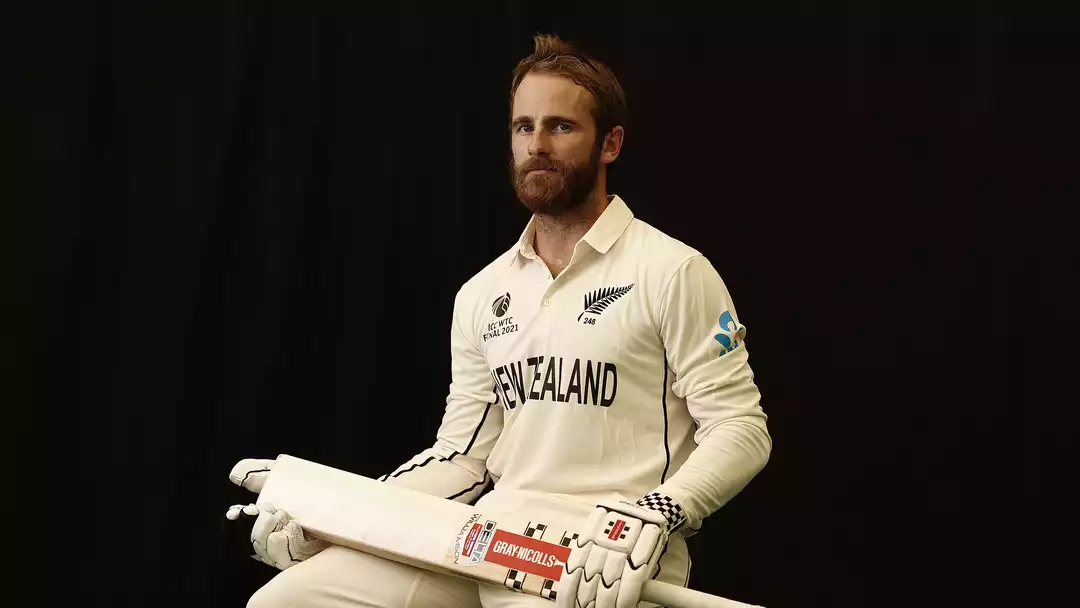
There was always something different about Kane Williamson.
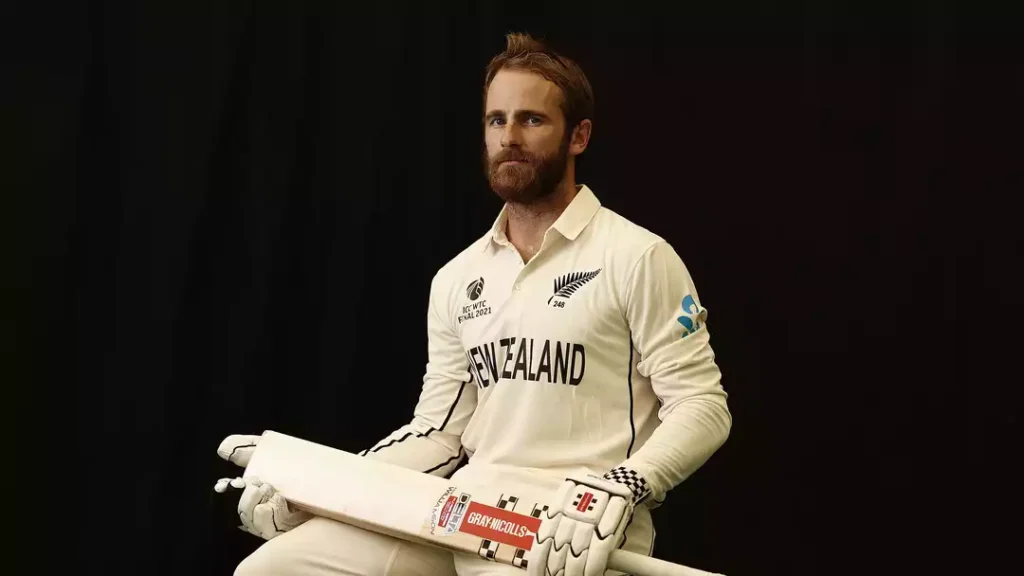
In an era dominated by larger-than-life cricketing personalities, Williamson built his reputation not through theatrics or headline-grabbing moments, but through consistency, elegance and an almost unmatched understanding of the game. His retirement from Test cricket marks the end of one of the most remarkable careers in modern cricket, a journey defined by class both on and off the field.
Fans will remember many things about Williamson. The perfectly balanced cover drives. The calmness under pressure. The ability to play spin with ease in any conditions. The captaincy that transformed New Zealand into one of the most respected teams in world cricket. Under his leadership, New Zealand won the inaugural World Test Championship and reached multiple ICC tournament finals.
Yet, beyond the records and achievements, Williamson will perhaps be remembered most for the way he carried himself.
Grace in Victory and Defeat
Few moments defined Williamson’s character more than the dramatic 2019 ODI World Cup final at Lord’s. New Zealand lost one of the most heartbreaking matches in cricket history after the contest was decided on boundary count following a tie and a Super Over tie.
Many players would have reacted with frustration or bitterness. Williamson chose a different path.
Rather than focusing on controversial moments or bad luck, he accepted the outcome with remarkable dignity. His calm response after the defeat earned admiration across the cricketing world and reinforced his reputation as one of the game’s finest ambassadors.
That ability to remain composed, regardless of circumstances, became a hallmark of his career.
The Shot That Defined Williamson
While Williamson possessed an extensive range of strokes, one particular scoring area became uniquely associated with him.
A ball outside off stump. A slightly open bat face. A gentle guide behind point. It was not a flashy shot. It rarely featured in highlight reels. Yet it became one of the most effective weapons in his arsenal.
Statistics underline just how productive Williamson was in that region. Of his 5,677 Test runs against pace bowling, 1,377 came behind point on the off side. Among the famous “Fab Four” generation—Virat Kohli, Joe Root, Steve Smith and Kane Williamson—only Root scored more runs in that area, despite playing significantly more Tests.
What made those runs remarkable was the manner in which they were scored. Traditional Test batting often encourages players to leave deliveries outside off stump. Williamson, however, frequently turned those same deliveries into scoring opportunities.
The Art of Soft Hands
To many viewers, Williamson’s runs behind point occasionally appeared accidental. They were anything but. His technique revolved around incredibly soft hands and exceptional control. Instead of pushing hard at the ball, he allowed it to come to him, using subtle wrist movements and precise timing to guide it into gaps.
Sometimes he would gently steer the ball between slips and gully. At other times he would use a late glide, opening the face of the bat at the final moment. There were occasions when he seemed to be leaving the delivery before somehow redirecting it towards third man.
The result was a constant flow of runs from an area where bowlers expected dot balls. Opposition captains often faced a difficult dilemma. Leave third man vacant and Williamson would exploit the gap. Place a fielder there and valuable catching positions would disappear.
It was a small but significant tactical battle that Williamson repeatedly won throughout his career.
More Than Just Numbers
Williamson’s greatness was never solely about statistics. Although he scored thousands of runs and captained New Zealand to historic achievements, his influence extended far beyond scorecards.
For much of his career, he operated away from the spotlight enjoyed by some of his contemporaries. While Virat Kohli dominated headlines in India, Steve Smith rewrote batting records and Joe Root became England’s batting cornerstone, Williamson quietly accumulated runs in Christchurch, Hamilton, Wellington and around the world.
His performances often spoke louder than any publicity campaign. Every time discussions emerged about the best batter of his generation, Williamson’s name inevitably returned to the conversation because his record demanded inclusion.
A Captain Who Changed New Zealand Cricket
Williamson’s impact as captain may ultimately prove to be his most enduring legacy.
Under his leadership, New Zealand evolved into one of the strongest and most respected teams in international cricket.
The crowning achievement came in 2021 when New Zealand defeated India to win the inaugural World Test Championship. It was a landmark moment not only for Williamson but for New Zealand cricket as a whole. He also guided the Black Caps to multiple ICC tournament finals, consistently helping a nation with limited resources compete against cricket’s traditional powerhouses.
His leadership style mirrored his batting—calm, intelligent and understated.
Walking Away on His Own Terms
What surprised many observers was the timing of Williamson’s retirement. He remained one of New Zealand’s premier batters and still had significant milestones within reach. Most notably, he stood just 485 runs away from the prestigious 10,000-run mark in Test cricket.
With major series against England, India and Australia still ahead, reaching that landmark seemed entirely possible. Yet Williamson’s decision reflected the values that defined his career.
Rather than focusing on personal records, he spoke about the future of the team and the opportunities available to younger players. It was a decision rooted in selflessness rather than statistics.
The Legacy of a Quiet Great
There were bigger hitters. There were more aggressive personalities. There were players who generated more headlines. But few cricketers combined skill, humility, leadership and sportsmanship as effectively as Kane Williamson.
His elegant drives, tactical brilliance and remarkable consistency will remain part of cricket history. Yet perhaps the most fitting image of Williamson is not a towering six or a celebratory gesture.
Instead, it is a soft-handed guide behind point, a shot that required little fuss, attracted little attention and delivered immense value. In many ways, that shot captured the essence of Kane Williamson himself—a cricketer who never demanded the spotlight, yet consistently illuminated the game.