India’s national selection committee, led by Ajit Agarkar, is set to meet in Guwahati on May 19 to pick the Test and ODI squads for the upcoming home series against Afghanistan. The series, scheduled from June 6 to June 20, carries significance beyond just another bilateral assignment. It arrives at a crucial moment for Indian cricket, with the team looking to recover from disappointing outings in both formats — a Test series defeat in South Africa and an ODI setback against New Zealand earlier this year.
Despite those reverses, wholesale changes are unlikely. The selection committee appears inclined to back the core group that has been part of India’s recent campaigns. The leadership role will continue with Shubman Gill, who missed the last Test due to a neck injury but is expected to return fully fit. However, while the overall structure of the squads may remain stable, several important selection dilemmas remain unresolved.
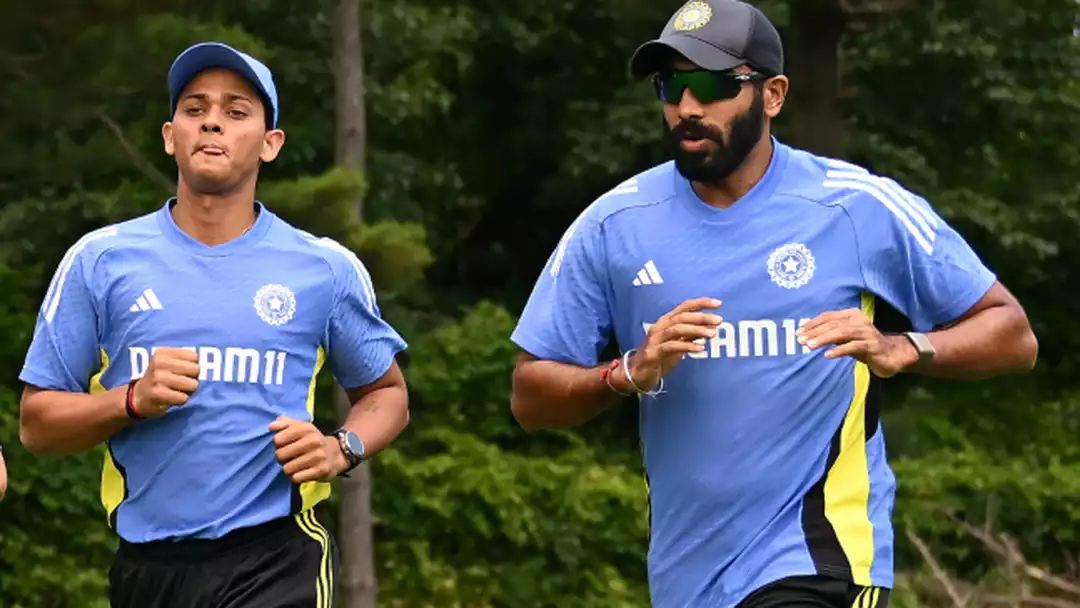
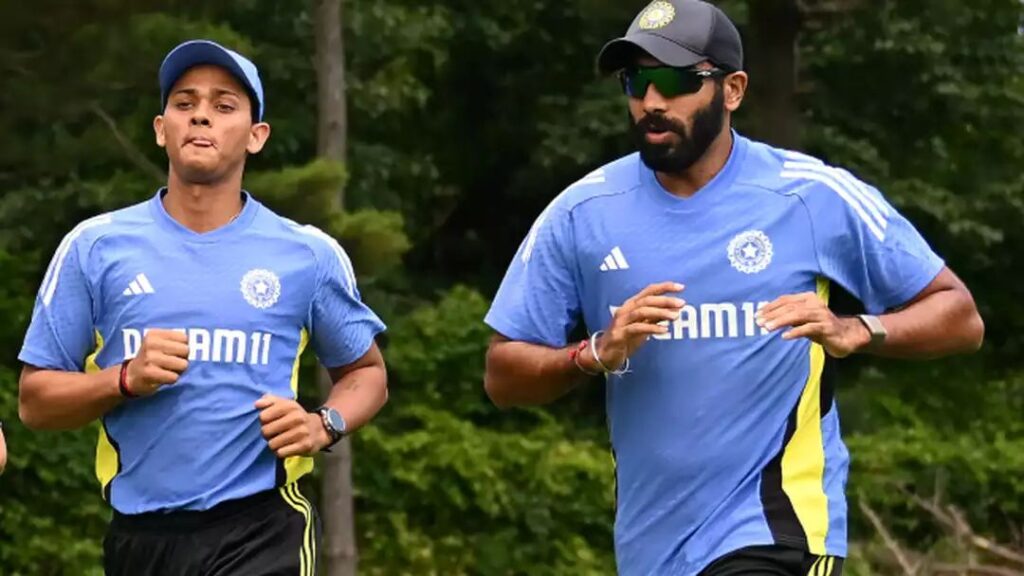
One of the biggest talking points ahead of the meeting revolves around Yashasvi Jaiswal. The left-handed opener has impressed whenever given opportunities, particularly in the ODI format where he scored an unbeaten century against South Africa in Visakhapatnam. Yet despite that performance, he found himself dropped from the playing XI almost immediately afterward. The return of Gill to the ODI side pushed Jaiswal out, highlighting the intense competition for top-order spots in India’s lineup.
The problem for the selectors is straightforward yet difficult to solve. India’s ODI opening combination has largely revolved around Gill and Rohit Sharma. Both are established names, and when fit, they remain automatic choices. But Jaiswal’s performances make it increasingly difficult to justify keeping him on the bench. At 24, he represents the future of Indian batting across formats, and many within the cricketing ecosystem believe he deserves a consistent run in ODI cricket.
Interestingly, Rohit’s current fitness situation may offer a temporary solution. The Indian captain has been managing a hamstring issue and has recently appeared only as an Impact Player for the Mumbai Indians in the IPL. If the selectors decide not to risk him for the Afghanistan ODIs, Jaiswal could slot in alongside Gill at the top. Such a move would also allow India to test a younger opening combination ahead of bigger assignments later in the year.
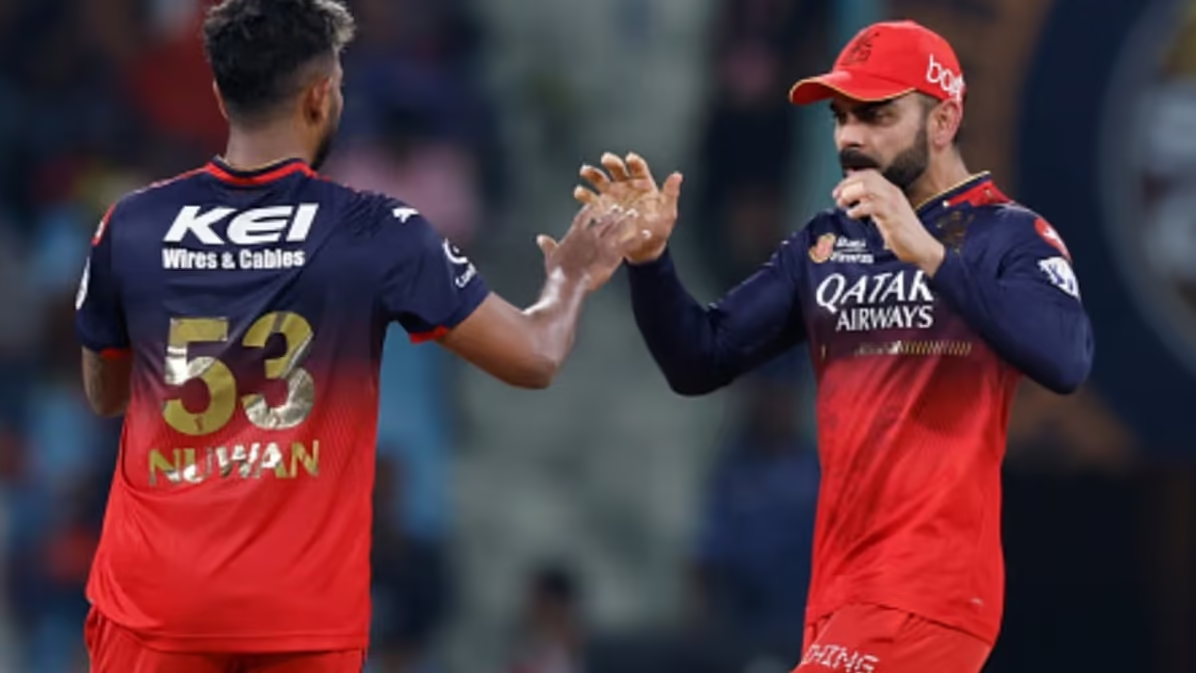
However, if Rohit is declared fit for the ODI leg beginning June 14, the selectors will face a more delicate balancing act. That situation also opens the broader debate surrounding both Rohit and Virat Kohli. The two senior stars are now in the latter stages of their careers and have been involved in continuous cricket through the IPL season. Resting them against Afghanistan may seem practical from a workload-management perspective, but dropping two of India’s biggest names is never a simple decision — commercially, emotionally, or strategically.
Still, Agarkar’s panel has shown in the past that it is willing to make bold calls. The selectors may choose to look beyond immediate bilateral results and focus instead on long-term planning. With major overseas tours and ICC tournaments approaching, India must begin building squad depth and preparing the next generation for larger responsibilities. ye pade
Another key discussion point concerns Rishabh Pant. Since returning from injury, Pant has remained part of India’s ODI setup as the backup wicketkeeper behind KL Rahul. Yet his place has come under increasing scrutiny due to strong performances from other wicketkeeper-batters such as Ishan Kishan and Sanju Samson.
Pant’s supporters argue that he has not been given enough opportunities in the playing XI to justify dropping him. The management still values his match-winning ability, especially in pressure situations. His left-handedness also adds variety to the middle order. On the other hand, Samson has been consistent in domestic and IPL cricket, while Kishan remains a dynamic option capable of changing games quickly. The selectors must therefore decide whether to persist with Pant as a long-term investment or reward recent performances from others waiting in line.
Perhaps the most sensitive issue of all is the management of Jasprit Bumrah. India’s premier fast bowler has carried a massive workload across formats in recent seasons, and team management is understandably cautious about overburdening him. There are strong indications that the selectors will seriously discuss resting Bumrah for at least part of the Afghanistan series.
The reasoning is clear. India faces a major tour of England in July, and ensuring Bumrah is fresh and injury-free for those demanding conditions could take priority over a relatively lower-profile home series. If rested, India may experiment with younger pace options or fringe bowlers looking to cement their place in the squad.
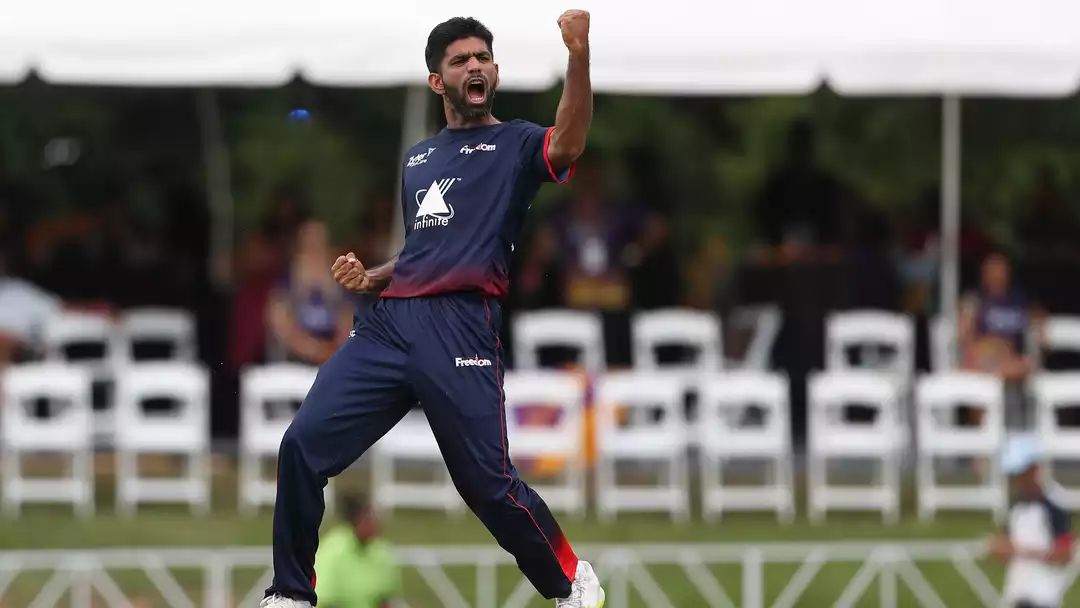
One such name likely to come under discussion is Auqib Nabi. The Jammu and Kashmir pacer enjoyed a sensational domestic season, claiming 60 wickets in the latest Ranji Trophy campaign. His performances have reportedly impressed selectors and scouts alike. While an ODI call-up may still be premature, there is growing belief that he could find a place in the Test squad as a developmental pick.
Selecting Nabi would align with India’s broader strategy of identifying and grooming fast-bowling talent from across the country. Over the last decade, India’s pace-bowling resources have expanded significantly, and the management has shown greater willingness to invest in young quicks with strong domestic records.
Overall, the upcoming selection meeting in Guwahati may not produce dramatic changes, but it will still shape several important narratives within Indian cricket. The Afghanistan series presents an opportunity to test combinations, manage workloads, and gradually transition toward the next phase of Indian cricket without completely moving away from experienced players.
The selectors must strike a careful balance between continuity and experimentation. Players like Gill, Jaiswal, Pant, and Nabi represent India’s future, while stalwarts such as Rohit, Kohli, and Bumrah remain central to the team’s present ambitions. How Agarkar and his colleagues navigate these decisions could offer an early glimpse into India’s roadmap for the coming years.
With the home crowd expecting dominant performances against Afghanistan, India will enter the series as overwhelming favourites. Yet beyond wins and losses, the bigger story may lie in how the selectors use this series to shape the team’s future direction across both Tests and ODIs.