FIFA World cup2026 : Soccer often delivers stories that feel too cinematic to be real. On Monday at the 2026 FIFA World Cup, a 40-year-old goalkeeper from a tiny island nation of just 530,000 people stood like an immovable wall against one of the most terrifying attacking lineups in modern football.
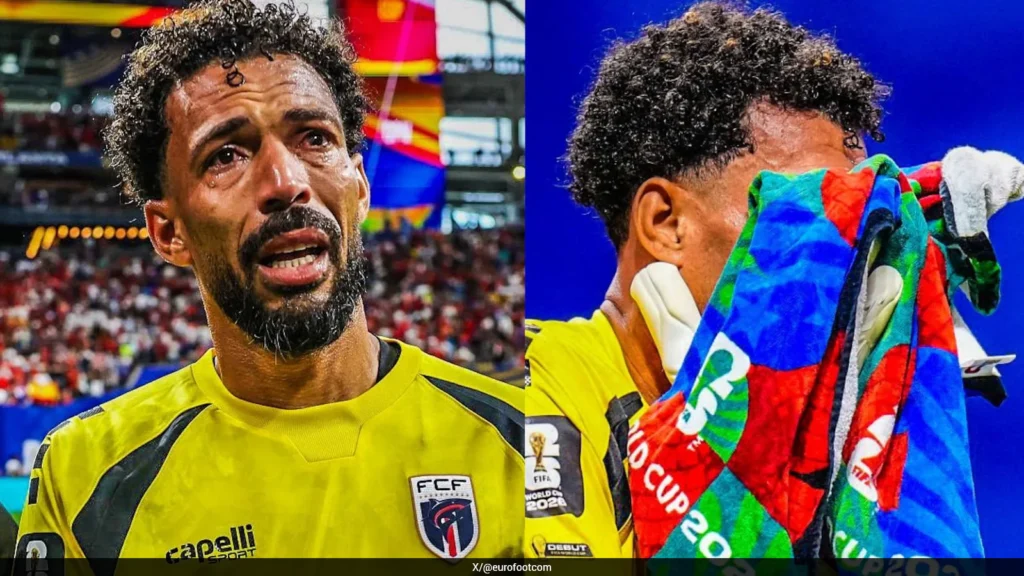
By the time the final whistle blew, Cape Verde had secured a historic, shocking 0-0 draw against 2010 World Champions Spain in their first-ever World Cup match. The man of the hour was Josimar Dias, universally known as Vozinha, who made an astonishing seven saves to deny the Spanish armada.
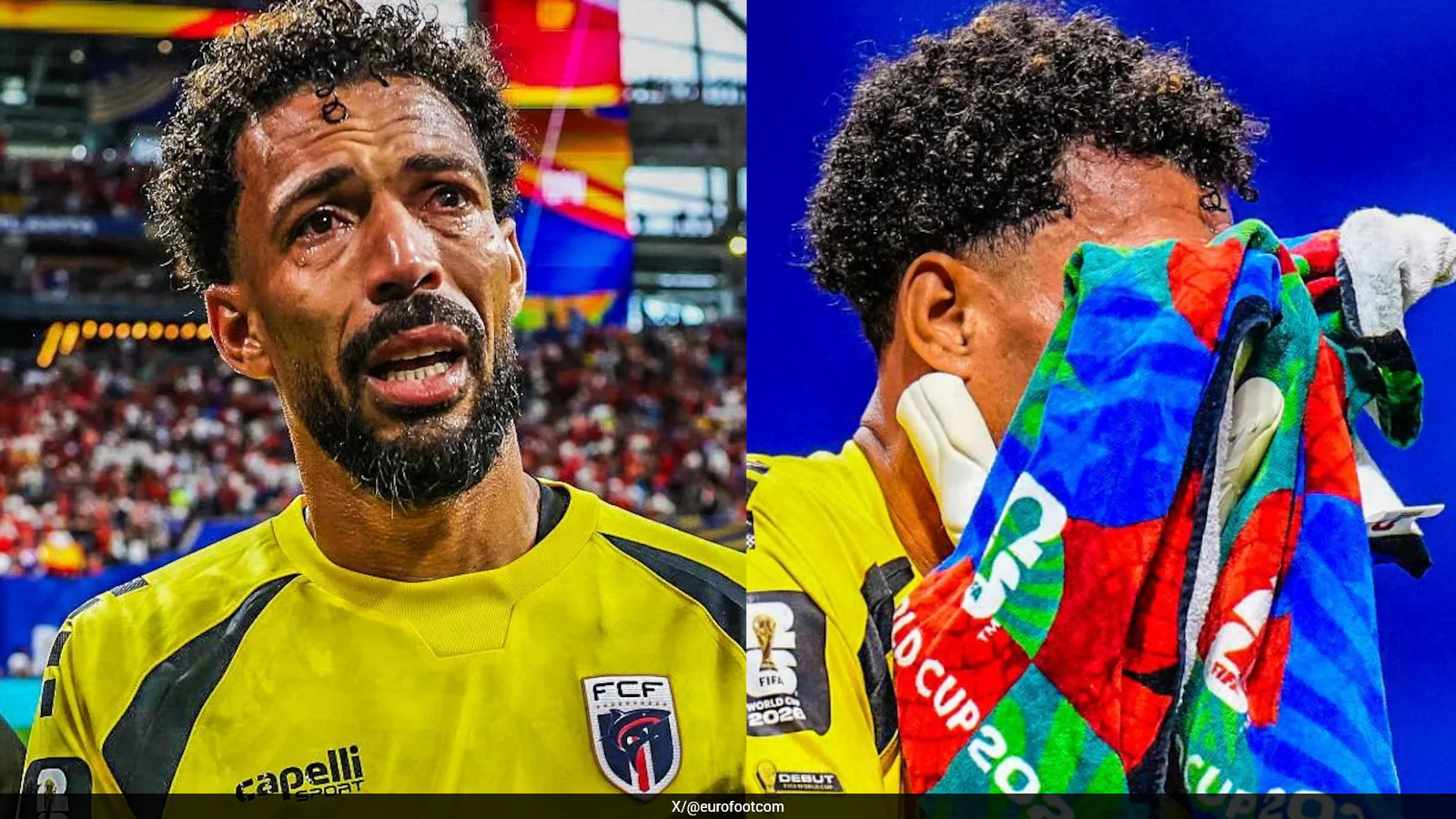
Yet, as his teammates rushed to celebrate, the veteran goalkeeper collapsed near his net, buried his face in his gloves, and wept uncontrollably. While the world saw tears of pure sporting joy, Vozinha’s post-match interview revealed a heartbreaking undertone of personal sacrifice, bureaucratic hurdles, and the painful cost of geopolitical border crackdowns.
The Legend of ‘Little Grandmother’ Defies Spain
To understand the magnitude of what happened on the pitch, one must look at the sheer disparity between the two teams. Spain dominated possession, unleashing a relentless barrage of 27 shots. Even the second-half introduction of Barcelona’s generational teenage superstar, Lamine Yamal, could not crack the Cape Verdean defense. Vozinha was everywhere—parrying long-range rockets, commanding his box, and frustrating the star-studded Spanish frontline.
For Vozinha, this wasn’t just a game; it was the culmination of a grueling, unconventional journey. Unlike modern prodigies who enter elite academies at age six, Vozinha didn’t even play professional football until he was 25, debuting for Angolan club Progresso. His nomadic career saw him grind through leagues in Moldova, Cyprus, Slovakia, and Portugal, where he currently plays for second-division side Chaves.
He joined the national team in 2012, enduring over a decade of heartbreaks.
“I worked all my life for this, for this moment, for this dream,” Vozinha said after the match. “A lot of generations in the past dreamed of this day but they did not achieve it. And now the dream comes true.”
Even his moniker, “Vozinha”—which translates to “little grandmother” in Portuguese—carries deep personal weight. It was originally given to him as a taunt by older kids who would beat him on the pitch and mockingly say he was going home to cry to his grandparents. He eventually reclaimed the nickname as a badge of honor, a nod to the maternal grandparents who raised him.
The $15,000 Barrier: Why a Mother Was Left Behind
The euphoria of stopping Spain quickly gave way to grief when Vozinha thought about his family. While his grandparents passed away a few years ago, his mother is still alive—but she was entirely absent from the stands.
Vozinha revealed that his mother was unable to attend his historic World Cup debut because she could not gather the exorbitant amount of money required to secure a temporary U.S. visa in time.
       ┌────────────────────────────────────────────────────────┐
       │             THE TOURNAMENT ACCESSIBILITY GAP           │
       └───────────────────────────┬────────────────────────────┘
                                   │
         ┌─────────────────────────┴─────────────────────────┐
         ▼                                                   ▼
┌─────────────────────────────────┐         ┌─────────────────────────────────┐
│     THE GEOPOLITICAL BARRIER    │         │       THE LAST-MINUTE WAIVER    │
├─────────────────────────────────┤         ├─────────────────────────────────┤
│ • Trump administration targets  │         │ • White House waives visa bonds │
│   countries with high visa      │         │   for 5 World Cup nations.      │
│   overstay rates.               │         │ • Implementation comes just one │
│ • Citizens forced to post bonds │         │   month prior to tournament.    │
│   amounting up to $15,000.      │         │ • Critically late for low-      │
│ • Prohibitive cost for families │         │   income working-class families │
│   from developing nations.      │         │   who needed months to plan.    │
└─────────────────────────────────┘         └─────────────────────────────────┘
Cape Verde is currently grouped among 50 nations targeted by President Donald Trump’s aggressive immigration and travel crackdowns. To combat perceived visa overstay rates, the U.S. government implemented strict financial mandates requiring travelers from these specific countries to post travel bonds of up to $15,000 just to secure an entry visa. For a working-class family in a developing island nation, this sum is an impossible fortune.
Though the Trump administration bowed to international sporting pressure last month and officially suspended the bond requirement for match-ticket holders from Cape Verde and four other World Cup nations, critics and humanitarian groups point out that the bureaucratic U-turn came entirely too late. Families require months to budget for transatlantic flights, lodging, and international document processing. By the time the waiver was announced, the dream of traveling to the United States had already been crushed for many everyday fans—including the mother of the tournament’s biggest hero.
A Overnight Viral Icon and Locker Room Anchor
While his family watched from thousands of miles away, the rest of the world instantly adopted the 40-year-old veteran. In the span of just a few hours following the final whistle, Vozinha’s Instagram following experienced an unprecedented, astronomical explosion, skyrocketing from a modest 50,000 followers to over 2.4 million.
Within the Cape Verde squad, he is revered as a living monument to perseverance.
“He lives and breathes Cape Verde,” stated defender Pico Lopes, admitting that the veteran can be a strict taskmaster on the training pitch. “He’s always on us to keep us on time. But that’s what he does. He pushes us to be better. And you saw it today — he leads by example.”
Teammate Steven Moreira added that while the squad constantly teases the keeper about his advanced footballing age, he is undisputed locker-room royalty. “He’s a big legend. He had a crazy game and showed the entire world that age doesn’t matter.”
The Bitter Aftertaste of Global Sports
Vozinha’s masterpiece against Spain highlights a recurring, systemic flaw in modern international sports. When major tournaments like the FIFA World Cup are hosted in Western superpowers, the playing field is rarely level for the families and fans of athletes from the Global South. Host nation visa policies frequently transform what should be a universal celebration of humanity into an exclusive playground restricted by wealth and nationality.
Vozinha gave his country an unforgettable sporting miracle on Monday, proving that heart and discipline can stop millions of dollars’ worth of elite footballing talent. But as he walks away from the stadium as a global hero, the bittersweet reality remains: the system designed to keep people out successfully blocked the one person he wanted in his corner the most.